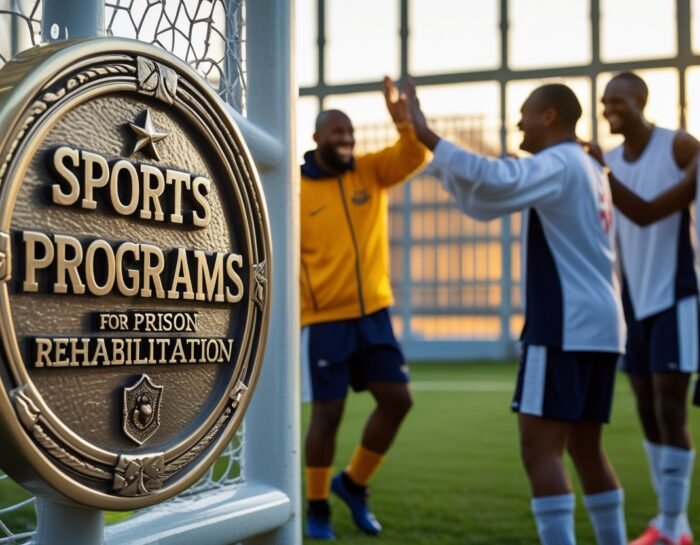
Imagine a prison yard where every game, every pass, and every goal sparks hope for a brighter future. Sports Programs for Prison Rehabilitation use Team Sports to turn isolation into opportunity. By combining physical activity with teamwork, these programs create a dynamic space for personal growth and transformation.
The Transformative Power of Team Sports:
In today’s challenging times, Sports Programs for Prison Rehabilitation are proving to be more than just recreation, they are vital tools for transformation. When inmates participate in team sports, they step into an arena where teamwork, strategy, and fair play reign. The structured nature of sports helps shape behavior, instilling values such as discipline, respect, and perseverance. Engaging in competitive games provides inmates with a healthy outlet for aggression and stress while channeling their energy into positive actions.
The process of learning the rules, following instructions, and working cohesively toward a shared goal reinforces structure and accountability. Moreover, sports create a microcosm of society where each individual learns that their actions, no matter how small, can contribute to a larger success. This empowerment and sense of responsibility serve as stepping stones to personal change, demonstrating that transformation is possible, even behind bars.
Building Resilience: Mind and Body Benefits:
Regular participation in physical activities through team sports offers significant physical and psychological benefits. Physically, engaging in sports improves stamina, strength, and overall health, which are essential for rehabilitating individuals who may have faced years of inactivity or neglect. Mentally, the regular exercise associated with sports helps alleviate symptoms of depression, anxiety, and stress. The release of endorphins during physical activity boosts mood and reinforces a sense of well-being.
These programs create a safe, structured environment where inmates can focus on self-improvement, turning exercise into an essential part of their daily routine. Beyond the physical benefits, the discipline inherent in sports helps enhance concentration, goal setting, and strategic thinking. As inmates overcome physical challenges on the field, they often find that their confidence and self-esteem grow, providing tangible proof that a healthy mind and body are interconnected. Ultimately, these benefits extend into the realm of emotional resilience, where challenges are not seen as obstacles but as opportunities for growth.
Enhancing Social Skills Through Sports:
Team Sports play a critical role in rebuilding vital social skills that may have eroded during incarceration. The prison environment often isolates individuals, leading to a breakdown in communication and trust. However, sports foster an environment where communication, empathy, and effective teamwork are necessary for success. In a game, every participant learns to listen actively, articulate strategies, and support teammates, creating an atmosphere of mutual reliance. Inmates learn to navigate conflicts, negotiate roles, and build friendships that transcend the walls of their confinement.
The shared goals and collective effort required in team sports encourage inmates to connect on a human level rather than simply as individuals serving time. These social interactions help rebuild essential life skills such as cooperation, compromise, and respect for diverse perspectives. By creating opportunities for dialogue, accountability, and positive reinforcement, Sports Programs for Prison Rehabilitation transform isolated individuals into integrated members of a team and, ultimately, society.
Instilling Discipline: Leadership and Accountability:
Within the sphere of Sports Programs for Prison Rehabilitation, sports become a training ground for developing leadership and accountability. The discipline required on the field is a mirror of the discipline needed in daily life. In team sports, every player is responsible not only for their performance but also for contributing to the collective success of the group. This dynamic helps inculcate a profound sense of duty and accountability. Inmates learn that leadership is not about superiority but about guiding others, standing by principles, and owning up to both successes and failures.
As they progress through organized training sessions and competitive play, they discover the importance of punctuality, adherence to rules, and maintaining a focus on long-term goals. The experience of being part of a team offers numerous leadership opportunities—whether as a captain, a mentor to newcomers, or simply by motivating peers during practice sessions. These lessons on discipline and responsibility can have a profound impact, equipping inmates with the essential skills needed to reintegrate into society and contribute positively once they are released.
Overcoming Barriers: Real Stories of Change:
Across many correctional facilities, real-life accounts show how team sports have become catalysts for change. Inmates who once struggled with low self-esteem, anger management, and poor teamwork are now emerging as leaders and positive role models. One compelling story comes from a rehabilitation center where a football program was implemented. Initially, participation was met with resistance and skepticism. However, as the sessions continued, inmates began to report improved moods, a reduction in violent incidents, and a newfound sense of community.
Former participants recount how learning to work as part of a team helped them recognize the value of compromise and empathy. These personal transformations illustrate that sports have the power to break down psychological barriers and foster an environment of mutual growth. The success stories serve as powerful reminders that, even in restrictive environments, human potential can flourish when allowed to engage in structured, goal-oriented activities. Such testimonials are the driving force behind the increased adoption of sports programs in many correctional institutions today.
Program Implementation: Challenges and Innovative Solutions:
Integrating Sports Programs for Prison Rehabilitation into existing structures is not without its challenges. Limited resources, security concerns, and institutional resistance can sometimes hinder the smooth implementation of such initiatives. However, many facilities have found innovative solutions to turn these obstacles into opportunities. For example, partnerships with local sports clubs, volunteer organizations, and professional athletes often help bridge the resource gap. These external contributors not only provide equipment and expertise but also serve as inspirational figures for inmates.
Additionally, tailored programs that consider the specific dynamics of the prison environment are more effective in meeting the unique needs of the participants. Creative scheduling, modified rules to ensure safety, and specialized training sessions are some of the strategies employed to optimize the benefits of team sports. Emphasizing a results-driven approach, these programs are continually evaluated and adapted to overcome challenges. By embracing flexibility and innovation, correctional facilities are increasingly successful in leveraging sports as a tool for rehabilitation, turning potential barriers into stepping stones for meaningful change.
Beyond the Correctional Walls:
The ripple effects of Sports Programs for Prison Rehabilitation extend far beyond the prison walls, significantly aiding community reintegration. Participation in team sports equips inmates with practical skills that ease their transition into society. Most importantly, the program instills self-discipline, communication skills, and emotional stability, traits that are essential for successful reentry into the workforce and broader community life. Many inmates who have participated in these programs go on to share their experiences with community youth programs or even secure roles as mentors and coaches.
The values acquired through team sports, such as teamwork, perseverance, and a sense of shared responsibility, prepare former inmates to contribute positively to society. Moreover, the holistic approach of these programs helps reduce recidivism by addressing the root causes of criminal behavior, such as social isolation, anger, and lack of purpose. As former inmates reintegrate, their positive experiences in structured sports environments serve as powerful indicators of reform, fostering community acceptance and support. This symbiotic relationship between rehabilitation programs and community reintegration creates a more compassionate, cohesive society.
Creating a Culture of Support:
The success of Sports Programs for Prison Rehabilitation is closely tied to the support from prison administrators and policymakers. When leadership prioritizes rehabilitation over punishment, innovative programs like team sports can thrive. Administrators play a crucial role by providing the necessary infrastructure, ensuring that resources are allocated effectively, and maintaining a safe environment for participation. Policy reforms that encourage rehabilitation efforts rather than purely punitive measures have led to increased investment in sports programs.
These changes are supported by empirical evidence demonstrating that structured physical activity promotes behavioral change and reduces violent incidents. Furthermore, policymakers who collaborate with local community leaders and educators facilitate training programs that are both effective and sustainable. By fostering a culture that values rehabilitation, correctional facilities create fertile ground for transformative initiatives. The administrative backing not only ensures the continuity of these programs but also helps in garnering external support and funding. In this way, a unified approach from both within the correctional system and the broader community is key to unlocking the full potential of team sports in rehabilitating inmates.
Conclusion:
Sports Programs for Prison Rehabilitation harness the dynamic power of Team Sports to transform lives. From building resilience and promoting teamwork to instilling discipline and easing community reintegration, these initiatives open a pathway to lasting change. By turning physical activity into a catalyst for personal growth, inmates are empowered to reshape their futures, proving that even within challenging environments, hope and transformation can thrive.
FAQs:
Q1: What are Sports Programs for Prison Rehabilitation?
They are initiatives that use team sports to promote rehabilitation and personal growth among inmates.
Q2: How do team sports help prisoners?
They build physical fitness, social skills, and discipline—all of which aid in personal reform and community reintegration.
Q3: Are there real-life examples of these programs?
Yes, many facilities have reported decreased violence and improved inmate behavior through structured sports initiatives.
Q4: How do these programs improve social skills?
They encourage communication, cooperation, and teamwork in a controlled, supportive environment.
Q5: What challenges do prisons face when implementing these programs?
Common challenges include limited resources, security concerns, and adaptation issues, which are overcome through partnerships and innovation.
Q6: Do these sports programs help reduce recidivism?
Yes, by fostering personal growth and community connections, they help lower the rates of reoffending.